Preparing for our own Death
Be more alive
Recently, I have found myself listening to the Bardo Thodol (often called The Tibetan Book of the Dead) and wondering how best to prepare myself for death.
There has been a temptation to assume that the older I get, the more complex preparing for death is. I am now far more aware than I was ten or twenty years ago of the power of my habitual tendencies and how they have driven my life. I am equally more aware of just how difficult these patterns are to change – how much have I really reduced my anger? Is my meditation practice stable enough, or at all? It is easy for this kind of reflection to create despondency – if I didn’t get out of Samsara at the ends of my other innumerable lifetimes, is there any chance I could during this death?
Quite apart from the question of spiritual preparation, ageing has vastly complicated the mundane preparation needed for death – pensions, life insurance, funeral wishes, powers of attorney, statements of wishes, giving away dharma items, donations to charity, possible guardians for my son, distribution of property and who would look after the cats. Twenty-year-old me (who had no money or children) never worried about any of this. Lucky him.
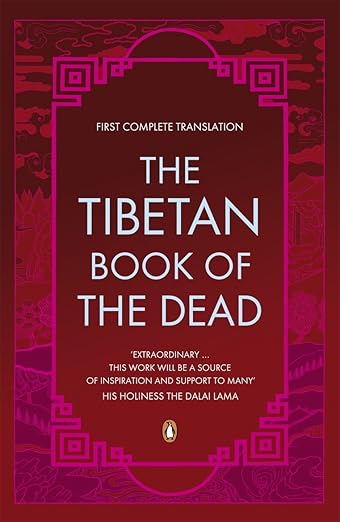 Enter the Bardo Thodol. For me (and this is only a personal reflection), the text’s key message is confidence. Over and over again, we are reminded that every stage of the after-death process represents a chance for total enlightenment and complete liberation. The death process, the peaceful deities, the knowledge-holding deities, the wrathful deities, the bardo of becoming, the process of rebirth – all are replete with opportunities to recognise the nature of our mind. Moreover, the text repeatedly reminds us that our mind will be far more lucid and powerful after death than in the everyday state, and that our meditation will be the same. Most of all, the Bardo Thodol makes absolutely plain that what we do in this life – all our actions of body, voice and mind – have the power to help us after death. Good habits and tendencies count as much as bad ones.
The text also provides practical advice about how to deal with mundane attachments – don’t worry about your possessions because you can’t possess them after death anyway. Your relatives will give your goods away, and you have no power to determine who will ultimately get hold of them or how they will be treated. Therefore, my personal choice is to give items to practitioners I know, with no expectation of what they will do with them.
Overall, for me, the Bardo Thodol has lifted my heart and reinforced some of our precious Kyabje Chime Rinpoche’s teachings – let go of things you don’t need and have confidence.
Ben Henriques
NOTICE – DONATING ITEMS TO MARPA HOUSE
Many members of the Sangha generously donate Dharma objects to Marpa House upon their death. However, please be aware that the House can very rarely accept such gifts due to a lack of space, and they usually have to be given away to other practitioners.
We are deeply grateful for everyone’s kindness, but would encourage people to make arrangements to donate Dharma items to friends on an individual basis, where possible, or check with us first.
We are always very honoured and touched to include your loved ones who’ve passed away in our Chenresik practice and Dewachen prayers for 49 days.